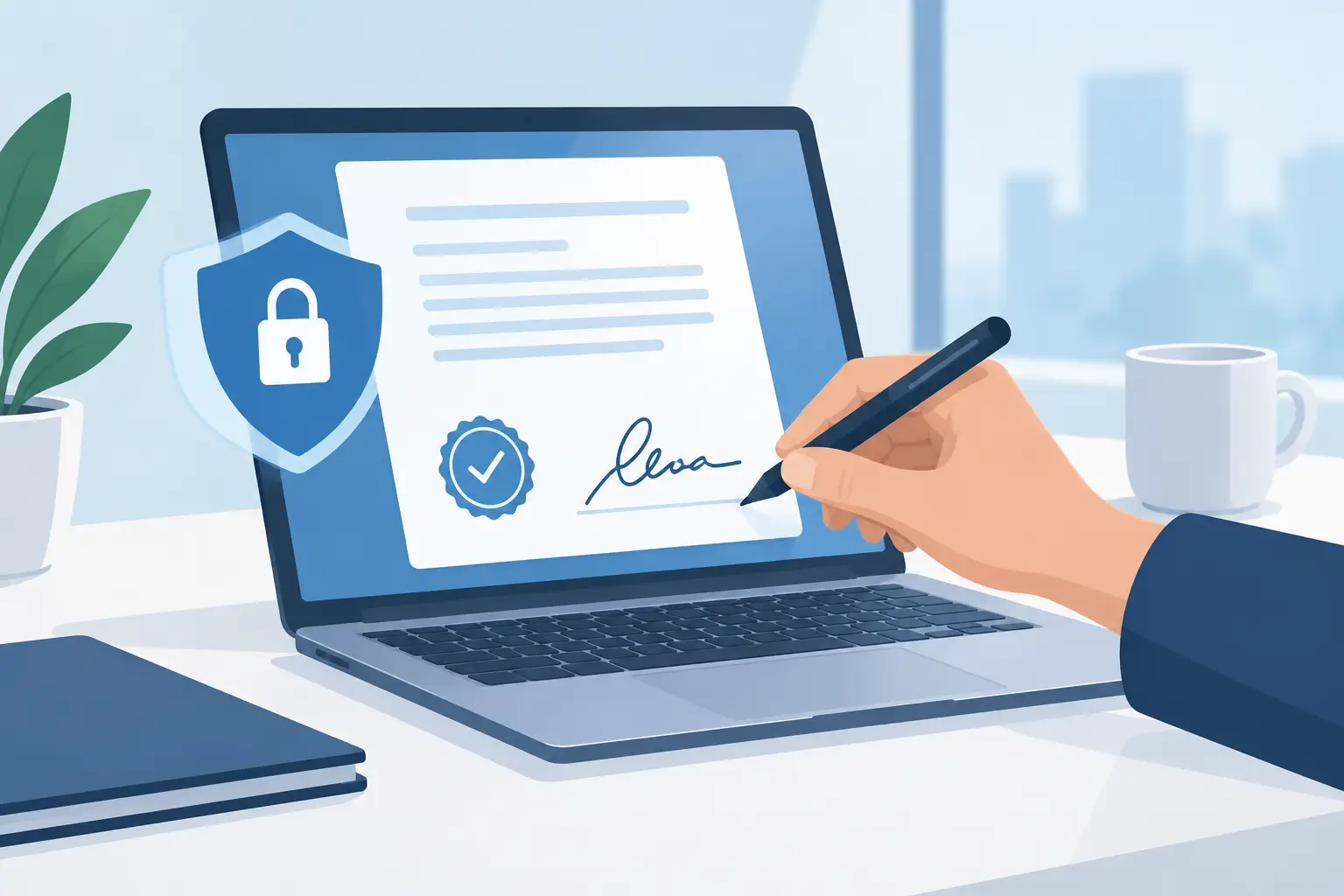
Digital Notarization: What Signers Need to Know

A document can arrive by email, be signed on a tablet, and be stored in a secure digital file. That does not automatically make it digitally notarized. Digital notarization is a formal notarial act completed through approved electronic processes, with the same core purpose as an in-person notarization: confirming identity, willingness, awareness, and the proper execution of the document.
For Rhode Island residents, businesses, borrowers, and professionals, the practical question is not simply whether a document is digital. It is whether the document type, the receiving organization, and applicable state rules allow the notarization to be completed electronically or remotely. Getting that answer before signing can prevent delays, rejected paperwork, and an unnecessary second appointment.
What Digital Notarization Means
Digital notarization is often used as a broad phrase, but it can describe two different processes. Understanding the difference helps you prepare correctly.
An electronic notarization generally means the signer and notary meet in person, while the document and signatures are completed electronically. The notary still verifies the signer’s identity face to face, confirms the signer is acting willingly, and completes the required notarial certificate. Instead of a paper document and ink stamp, the completed record may include an electronic signature, seal, certificate, or audit information.
A remote online notarization, sometimes called RON, takes place with the signer and notary in different locations using approved audio-video technology. The process typically includes identity proofing, credential analysis, a live video session, and a tamper-evident electronic record. Remote online notarization has additional procedural and technology requirements because the signer is not physically present with the notary.
The distinction matters. A document may be eligible for electronic notarization in person but not for remote online notarization. It may also require a traditional paper notarization because of the document’s purpose, the receiving party’s policies, or the laws governing the transaction.
Digital Notarization Still Requires Careful Identity Verification
Convenience does not reduce the seriousness of the notarial act. Whether a notarization occurs on paper, electronically in person, or through an authorized remote process, the notary’s responsibility is to follow the required procedure with care.
A proper notarial appointment generally involves verifying the signer’s identity through satisfactory evidence, confirming that the signer understands the document is being signed, and ensuring there is no obvious pressure or coercion. The notary may administer an oath or affirmation when the document requires one. The notary then completes the correct certificate for the act requested, such as an acknowledgment or jurat.
The notary does not decide whether the document is legally fair, explain its legal consequences, or advise a signer what type of notarization to choose. Those are legal questions. A notary’s role is more precise: to act as an impartial witness and complete the notarial process correctly.
With digital records, security also becomes part of the client’s confidence. Electronic systems may create an audit trail showing when the document was signed and notarized, the method used to verify identity, and whether the completed file was altered afterward. Those controls can be valuable, but they do not replace a careful notary or a signer who understands what they are signing.
When a Digital Option May Make Sense
Digital processes can be helpful when multiple parties need to coordinate, a business needs organized electronic records, or a signer has an approved platform required by a lender, title company, employer, or other receiving organization. They may reduce printing, scanning, and document-handling time.
Still, the best option depends on the transaction. Estate planning documents, powers of attorney, real-estate forms, affidavits, corporate records, and title-related paperwork can each have different requirements. A lender or title agency may direct borrowers to a specific closing process. A court, government office, financial institution, or out-of-state recipient may require an original paper document with a traditional ink signature and seal.
For this reason, do not assume that a PDF, electronic signature, or video call is enough. Ask the receiving party what it will accept before arranging a notarization. If the document package comes from a title company, lender, attorney, or agency, follow its instructions closely.
How to Prepare for a Digital Notarization Appointment
Preparation is the simplest way to keep an appointment efficient and protect the validity of your documents. Before your scheduled time, confirm whether the notarization must be completed in person, electronically, or through an authorized remote process.
Bring or have ready the following:
A current, acceptable government-issued photo ID that matches the name on the document.
The complete document, including all pages, attachments, and notarial certificate language.
Clear instructions from the recipient if a particular form of notarization, signing order, or platform is required.
Any required witnesses, if the document calls for them and the notary is not authorized to serve in that role.
Do not sign the document before the appointment unless the receiving organization specifically instructs you to do so and the document does not require the notary to witness your signature. Many notarial acts require the signer to sign in the notary’s presence or acknowledge that a signature was made voluntarily. Signing too early can create avoidable complications.
If you are using a digital platform, test your device, camera, microphone, and internet connection in advance. Use a private, quiet setting where you can communicate clearly. Have your identification available and make sure the name displayed in the platform matches your legal identification and document name. Small inconsistencies, such as a missing middle initial or an expired ID, can delay completion.
Common Misunderstandings to Avoid
One common misunderstanding is that every electronically signed document can be digitally notarized. Electronic signatures and electronic notarizations are related, but they are not the same thing. A document may allow an electronic signature while still requiring a specific notarial method.
Another is that a notary can notarize a signature after it has been signed without any further review. In some circumstances, a signer may acknowledge a previously made signature, but the certificate wording and required notarial act matter. The signer must still appear before the notary using the method permitted by law.
It is also risky to assume that a digital copy is equivalent to an original in every situation. Some recipients accept secure electronic originals, while others need paper originals, certified copies, or documents bearing a physical seal. Confirm the recipient’s requirements before relying on a digital format.
Finally, privacy deserves attention. Avoid sending sensitive personal records through unsecured channels when possible. Keep copies of completed documents in an appropriate secure location, and share them only with the parties who need them. Documents involving financial information, estate matters, property transactions, or personal identification should be handled with discretion.
Choosing the Right Notarial Process
The right approach begins with the document, not the technology. Review the instructions from the party receiving the document, determine whether witnesses are needed, and verify whether an in-person or remote process is permitted. If the document is part of a mortgage, refinance, or other real-estate transaction, the title or lending team should confirm the required closing method.
A qualified notary can help you understand practical preparation requirements, including identification, signing sequence, and whether the document appears complete for the requested notarial act. Gallo Notary Services provides appointment-based notarial support with the careful identity verification and procedural discipline important to personal, business, and loan-signing documents.
When the document matters, choose the method that the transaction actually requires. A few minutes spent confirming the correct process before you sign can protect your time, your privacy, and the confidence of everyone relying on the completed record.
Comments